Recruitment today requires more than just finding qualified candidates. Hiring teams must also ensure that the process moves quickly and smoothly from one stage to the next. In many organizations, however, the hiring process slows down interview scheduling not because of sourcing challenges but because of operational inefficiencies within the recruitment workflow.
One stage that frequently causes delays is interview scheduling. Once candidates are shortlisted, recruiters must coordinate interview availability between candidates and hiring managers. This coordination often involves multiple emails, calendar checks, and follow-up messages. Even when both parties are interested in moving forward, scheduling conflicts and communication delays can extend the process unnecessarily.

These delays have a direct impact on hiring outcomes. Strong candidates may lose interest, competing offers may appear, and hiring managers may experience frustration with the recruitment timeline. As hiring volumes increase, these scheduling challenges become even more difficult to manage.
This is why many organizations are adopting Interview Scheduling Software as part of their recruitment infrastructure. By automating the coordination required to arrange interviews, companies can remove a major operational bottleneck and create a smoother hiring experience for both candidates and hiring teams.
Before exploring the specific benefits of automation, it is important to understand how traditional scheduling methods create inefficiencies in the recruitment process.
Why Interview Scheduling Becomes a Problem in Recruitment
Interview scheduling often appears to be a simple administrative task, but in practice, it involves coordinating multiple stakeholders. Recruiters must check the availability of hiring managers or interview panels, propose time slots to candidates, confirm selections, and send calendar invitations.
When this process is handled manually, each step introduces the possibility of delays. Hiring managers may take time to respond to availability requests. Candidates may require alternative time slots due to their own schedules. Calendar conflicts may arise unexpectedly, forcing recruiters to restart the coordination process.
These back-and-forth communications can stretch across several days. When multiple candidates are being scheduled for interviews simultaneously, the complexity increases significantly.
The result is that recruiters spend a large portion of their time managing calendars rather than focusing on evaluating talent or improving the hiring strategy. At the same time, candidates may experience uncertainty as they wait for interview confirmations.
Because interview scheduling sits in the middle of the hiring process, delays at this stage affect everything that follows. Interviews cannot begin until schedules are finalized, which means hiring decisions are postponed and recruitment timelines continue to expand.
Recognizing this challenge has led many organizations to look for structured ways to simplify scheduling coordination.
The Role of Interview Scheduling Software in Modern Recruitment
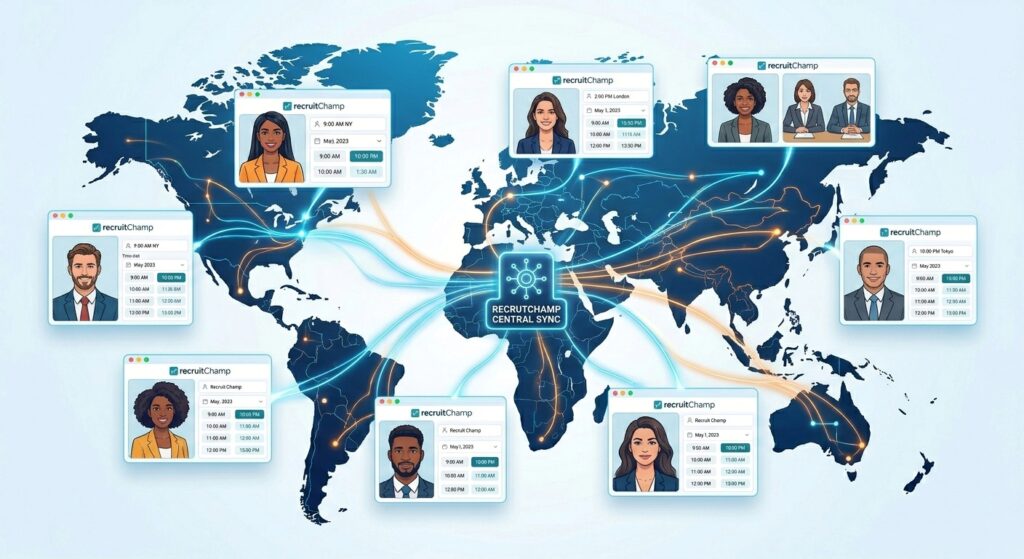
Interview Scheduling Software addresses the operational challenges associated with coordinating interviews. Instead of relying on manual communication between recruiters, candidates, and hiring managers, automated scheduling systems synchronize calendars and allow interview slots to be selected through a centralized platform.
With automated scheduling, interviewers define their availability within the system. Candidates can then choose from the available time slots without requiring manual confirmation from recruiters. Once a slot is selected, the platform automatically schedules the meeting and sends calendar invitations to all participants.
This approach removes the need for repeated email exchanges and reduces the possibility of scheduling conflicts. Recruiters maintain oversight of the interview process, but the administrative burden of coordinating availability is handled by the system.
Once scheduling becomes automated, the hiring process gains speed and consistency. This improvement leads directly to several measurable advantages for recruitment teams.
The Benefits of Automated Interview Scheduling
When interview scheduling becomes structured and automated, the impact extends beyond simple calendar coordination. Automated scheduling improves the efficiency of the entire recruitment workflow, affecting hiring speed, candidate experience, and recruiter productivity.
1. Faster Interview Coordination and Reduced Hiring Delays
One of the most immediate benefits of automated interview scheduling is the reduction in time required to arrange interviews. In manual workflows, recruiters often wait for responses from both candidates and hiring managers before confirming interview slots.
Interview Scheduling Software eliminates this waiting period by displaying interviewer availability in real time. Candidates can select suitable time slots directly from the available schedule, which allows interviews to be confirmed instantly.
When interviews are scheduled quickly, the hiring process continues without unnecessary interruptions. Recruiters can move candidates to the evaluation stage faster, and hiring managers can make decisions sooner.
Reducing scheduling delays ultimately contributes to shorter hiring cycles and improves an organization’s ability to secure top candidates before competitors do.
2. Improved Candidate Experience Throughout the Hiring Process
The interview stage plays a critical role in shaping a candidate’s perception of an organization. Candidates often evaluate a company’s professionalism based on how organized and responsive the hiring process appears.
Manual interview scheduling can create a fragmented experience. Candidates may need to wait for several email responses, adjust their availability multiple times, or deal with unexpected rescheduling.
Interview Scheduling Software provides a more structured experience. Candidates can view available interview times and select a slot that works for their schedule. Once confirmed, they receive immediate notifications and calendar invitations with meeting details.
This simplified process demonstrates efficiency and respect for the candidate’s time. A smooth scheduling experience can strengthen candidate engagement and reinforce the organization’s employer brand.
3. Reduced Administrative Workload for Recruiters
Recruiters manage numerous responsibilities during the hiring process, including sourcing candidates, reviewing applications, conducting screening calls, and coordinating with hiring managers.
Manual scheduling adds another layer of administrative work that consumes valuable time. Recruiters must monitor email conversations, update calendars, send reminders, and manage scheduling conflicts.
Interview Scheduling Software automates many of these repetitive tasks. Calendar synchronization, interview confirmations, and automated reminders are handled by the system, allowing recruiters to focus on evaluating candidates and improving recruitment strategies.
By reducing administrative workload, automated scheduling improves recruiter productivity and allows hiring teams to allocate more time to activities that directly influence hiring outcomes.
4. Greater Visibility into Interview Pipelines
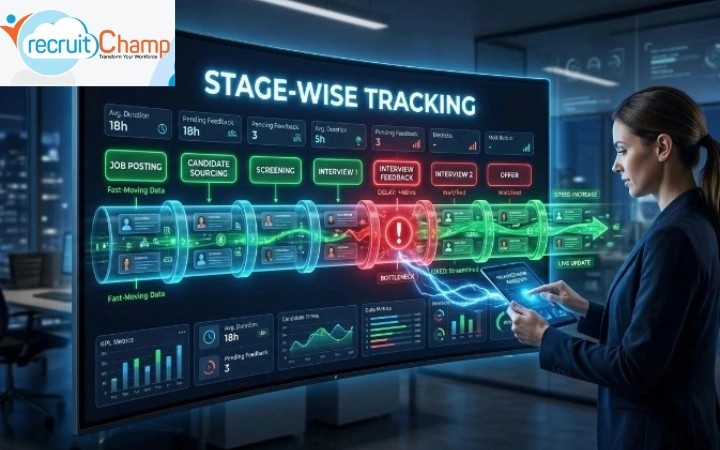
Another important advantage of automated scheduling is improved visibility into the interview pipeline. In manual systems, interview information is often distributed across emails and calendar invites, making it difficult to track interview progress across multiple roles.
Interview Scheduling Software centralizes this information within a single system. Recruiters can easily see which interviews are scheduled, which candidates are awaiting confirmation, and which interview stages have been completed.
This visibility helps recruitment teams maintain better control over the hiring process. Delays can be identified quickly, and interview coordination can be adjusted before they impact hiring timelines.
Structured scheduling also ensures that candidates move through the recruitment pipeline in a consistent and organized manner.
5. Scalable Scheduling for Growing Hiring Needs
As organizations grow, their hiring requirements often expand rapidly. Recruitment teams may need to schedule interviews for dozens of candidates across multiple roles simultaneously.
Manual scheduling methods struggle to handle this level of complexity. The volume of emails and coordination required can overwhelm recruitment teams and slow down hiring operations.
Interview Scheduling Software provides the scalability needed to manage high interview volumes. Automated scheduling allows recruiters to coordinate interviews for multiple candidates and panel members without increasing administrative effort.
This scalability ensures that recruitment processes remain efficient even during periods of rapid organizational growth.

How recruitChamp Simplifies Automated Interview Scheduling
recruitChamp integrates Interview Scheduling Software directly into its recruitment platform to simplify interview coordination for hiring teams. Instead of managing interview logistics through separate tools or manual communication, recruiters can schedule and manage interviews within a unified system.
The platform synchronizes interviewer calendars, allows candidates to select available time slots, and automatically confirms meetings for all participants. This structured scheduling process removes delays that often occur during manual coordination. recruitChamp also provides visibility into interview pipelines, helping recruiters track upcoming interviews and maintain consistent hiring workflows. By combining automated scheduling with centralized recruitment management, the platform enables organizations to conduct interviews efficiently while maintaining a positive candidate experience.
Through these capabilities, recruitChamp helps recruitment teams reduce scheduling friction and maintain momentum throughout the hiring process.
Conclusion
Interview scheduling plays a critical role in determining how quickly and efficiently organizations can move candidates through the recruitment pipeline. When handled manually, scheduling coordination often becomes a bottleneck that slows hiring decisions and creates unnecessary administrative work for recruiters.
Automated Interview Scheduling Software addresses these challenges by simplifying interview coordination, improving candidate experience, and reducing the time required to arrange interviews.
With structured scheduling systems in place, recruitment teams can maintain faster hiring cycles while focusing their efforts on evaluating and engaging top talent.
Platforms such as recruitChamp demonstrate how automated scheduling can become an integral part of a modern recruitment strategy, helping organizations build more efficient and scalable hiring processes.