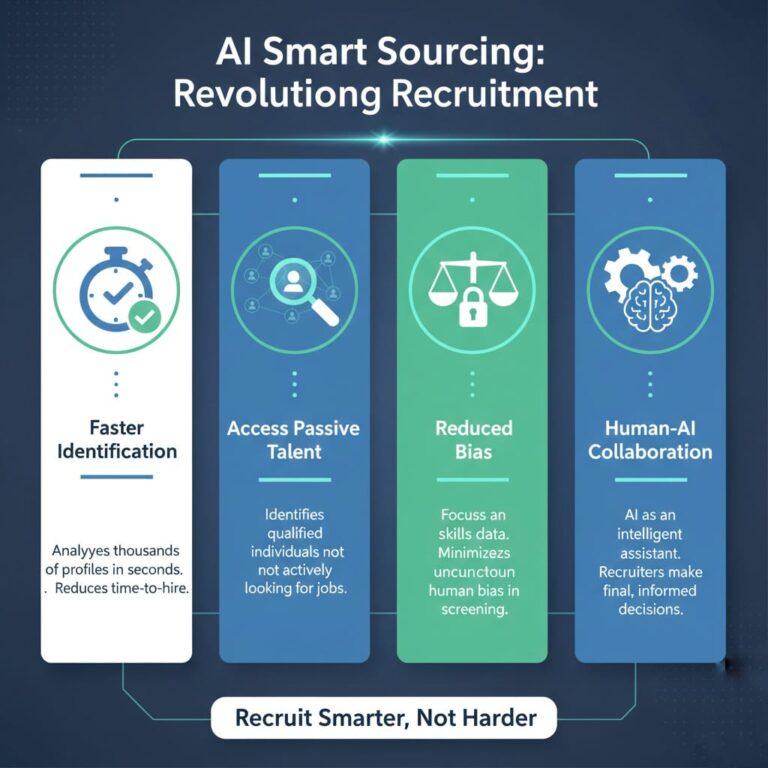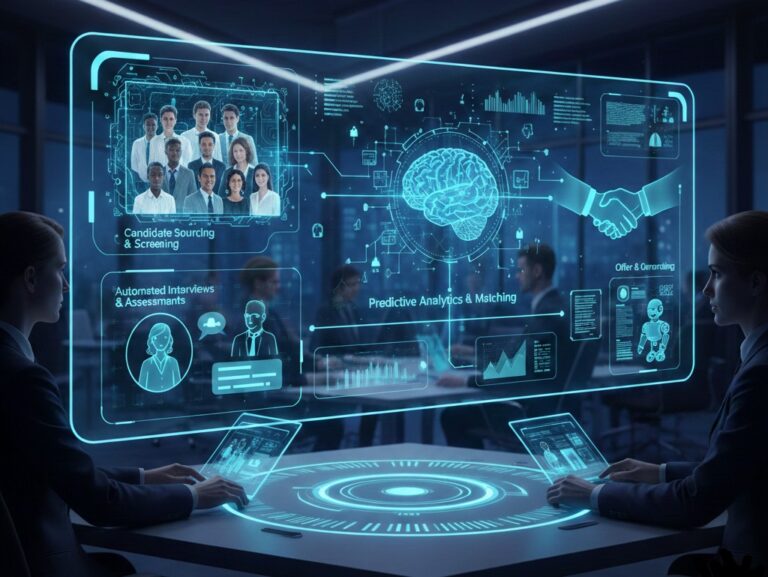
Technology has made hiring faster, more structured, and easier to manage at scale. But at the same time, hiring or recruitment remains a deeply human activity.
Every hiring decision affects people, careers, and workplace culture. This makes human intervention a critical part of the hiring process. However, the real question is whether having just the hiring team take care of recruiting slows down the process. If organizations choose to introduce technology into traditional processes, how much automation is too much?
Many companies adopted recruitment automation software to solve efficiency challenges. High application volumes, repetitive administrative tasks, and pressure to hire faster pushed hiring teams toward automation. While automation solved several operational problems, it also introduced a new concern. Candidates do not want to feel like they are interacting only with systems.
The real challenge today is not choosing between automation and human involvement. Maybe both automation and human intervention can be equally essential. The conflict of compromising one for the other is a modern battle fought by almost every enterprise worldwide. AI vs. Human still remains a central topic in the recruitment landscape, and this article explores it further.
Why Recruitment Needed Automation
Recruitment teams have faced growing complexity over the past decade. Companies hire across locations, remote roles have increased, and candidate expectations have evolved.
Manual hiring processes struggle to keep up with these changes. Recruiters often spend a large portion of their time on tasks that do not require strategic thinking. These include resume screening, interview scheduling, follow-ups, and data management.
Recruitment automation software and AI models emerged as a solution to these challenges. The automation systems reduced time spent on repetitive administrative work, managed large volumes of applications efficiently, and improved visibility across hiring stages. These are areas where automation far outpaces human capability.
Automation allowed recruiters to move faster. However, speed alone does not guarantee better hiring outcomes. As automation increased, organizations began realizing that efficiency without human connection can negatively affect candidate experience. Ultimately, this realization led to a more thoughtful approach toward utilizing automation technology.
The Risk of Extreme Automation in Hiring
Hiring is not only about selecting skills. It is also about building trust. Candidates evaluate organizations during the hiring process just as much as organizations evaluate candidates.
Automation brings efficiency, but excessive automation can create distance between organizations and candidates. When every interaction feels automated, candidates may feel undervalued or ignored. Hiring then becomes transactional rather than relational. This is where the human touch in hiring becomes essential.
The challenges highlight an important truth seen in over-automated hiring environments:
- Generic communication that lacks personalization
- Limited opportunity for candidates to ask questions or clarify expectations
- Automated rejections without meaningful feedback
- Reduced emotional connection with the employer brand
What Human Touch Really Means in Modern Recruitment
Human touch in hiring does not mean removing technology or returning to manual processes. Instead, it means ensuring that human interaction is present at moments where empathy, judgment, and communication matter most.
Technology can identify patterns and provide recommendations, but it cannot replace human understanding. Candidates often remember how they were treated during interviews more than how quickly the process moved.
Organizations that maintain human connection during key stages tend to build stronger brand reputations and improve offer acceptance rates.
No matter the emergence of modern tech, recruiters will continue to play a critical role in understanding candidate motivations and career goals. They will continue to address concerns that technology can never interpret accurately.
Why the AI vs. Human Recruiters Debate Misses the Point
A common discussion in HR circles revolves around AI vs human recruiters. In reality, this framing creates unnecessary conflict. AI and recruiters solve different problems within the hiring process.
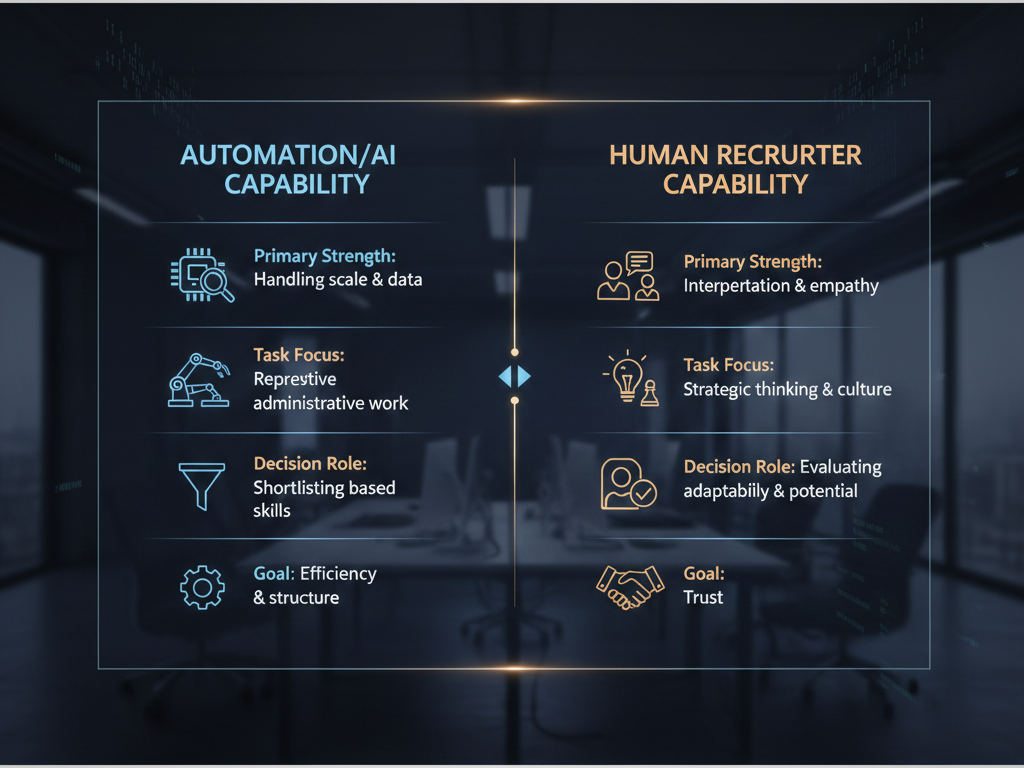
AI excels at handling scale and data-driven tasks. Recruiters excel at interpretation, communication, and decision-making. When combined effectively, both strengths complement each other.
For instance, automation can shortlist candidates based on skills and experience. And recruiters can evaluate adaptability, communication, and long-term potential.
On one side, automation systems can schedule interviews efficiently, and recruiters can create meaningful conversations during interviews. This symbiotic effect is a collaborative phenomenon that supports hiring for organizations looking for ideal candidates. The goal behind the process isn’t to replace, but to hybridize, each complementing the other and supporting the entire hiring ecosystem.
This very much answers the debate!
Ethical AI Hiring and Responsible Automation
In 2026, companies that adopt ethical hiring practices are building stronger trust with both candidates and employees. Technology becomes a tool for fairness rather than a source of concern.
Organizations must ensure that recruitment automation software supports fair and transparent hiring practices.
Ethical AI hiring focuses on using technology responsibly. AI systems should assist decision making rather than make final decisions independently. Human oversight remains necessary to prevent unintended bias or incorrect interpretations of data. So what is considered as responsible hiring?
- Clear evaluation criteria aligned with job requirements
- Regular monitoring of AI recommendations
- Human review before final hiring decisions
- Transparency in communication with candidates
Building Hybrid Recruitment Models That Work
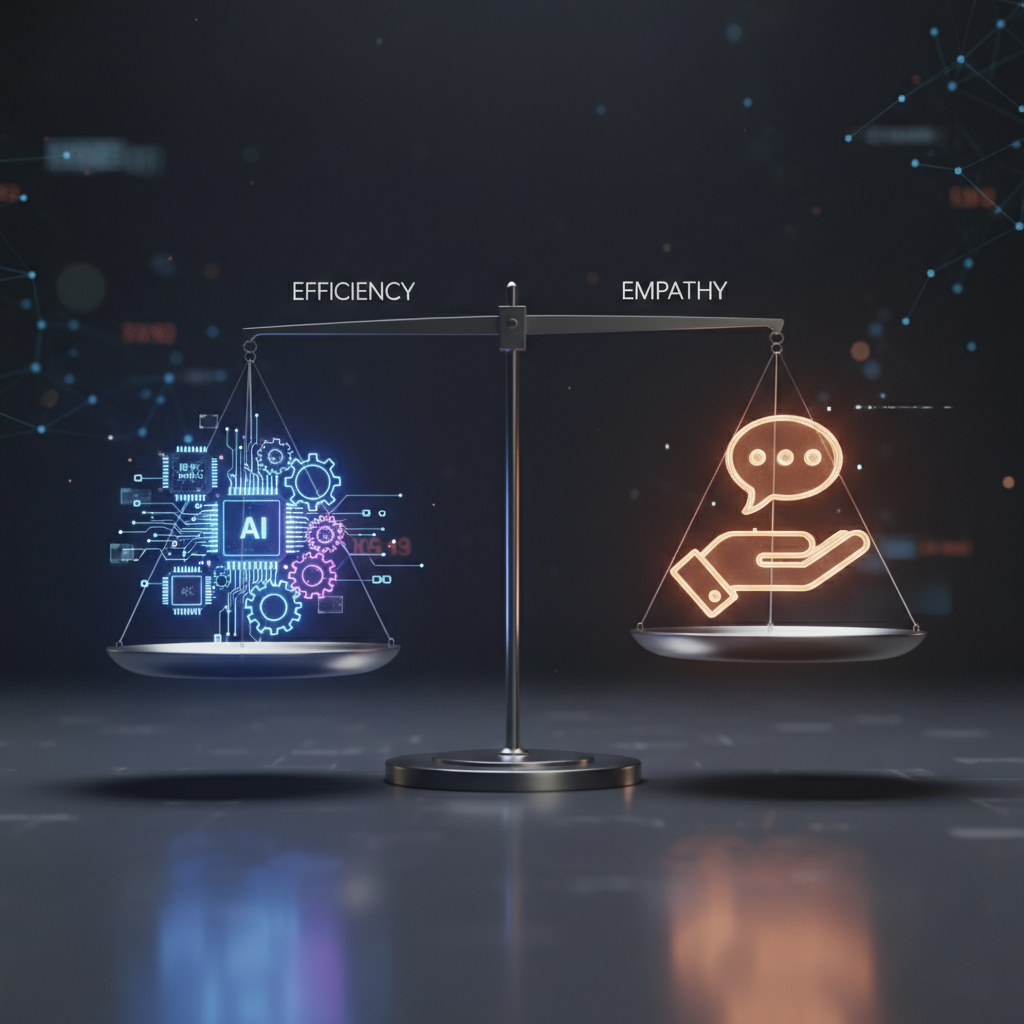
The most successful organizations today must stop choosing between automation and human involvement. They need to include hybrid recruitment models that that upgrade the overall hiring process.
Here’s what Automation Must Handle:
- Resume screening and initial shortlisting
- Interview scheduling
- Status communication and reminders
- Data tracking and reporting
Human Intervention Matters:
- Candidate engagement and relationship building
- Interview conversations and evaluation
- Final decision making
- Employer branding and candidate experience
This division of responsibility ensures efficiency without losing authenticity. Recruiters gain more time to focus on strategic aspects of hiring rather than administrative work.
Platforms like recruitChamp support this balance by integrating automation into applicant tracking workflows while keeping recruiters at the center of decision-making.
The Future of Recruitment Is Human-Centered Technology
Recruitment technology will continue evolving, but the direction is becoming clear. Organizations are moving toward human-centered technology rather than technology-driven hiring. Automation is expected to reduce complexity, not remove human involvement.
HR tech trends indicate that companies investing in balanced hiring approaches are seeing improvements in both hiring speed and candidate satisfaction. Candidates appreciate efficient processes, but they also value genuine interaction and transparency.
The future of hiring will depend on how well organizations combine intelligence with empathy. Automation will handle scale, while recruiters will continue shaping culture and relationships.
Conclusion
Balancing automation and human touch in recruitment is no longer optional. It is a requirement for organizations that want to hire efficiently without losing connection with candidates. Recruitment automation software provides the structure and speed needed in modern hiring, while human interaction ensures fairness, trust, and meaningful engagement.
Successful hiring strategies recognize that technology and people serve different purposes. When used together, they create hiring experiences that are both efficient and human.
Platforms like recruitChamp offer solutions that seamlessly showcase how automation can support recruiters rather than replace them, helping organizations build stronger teams while maintaining the human touch that defines great hiring.