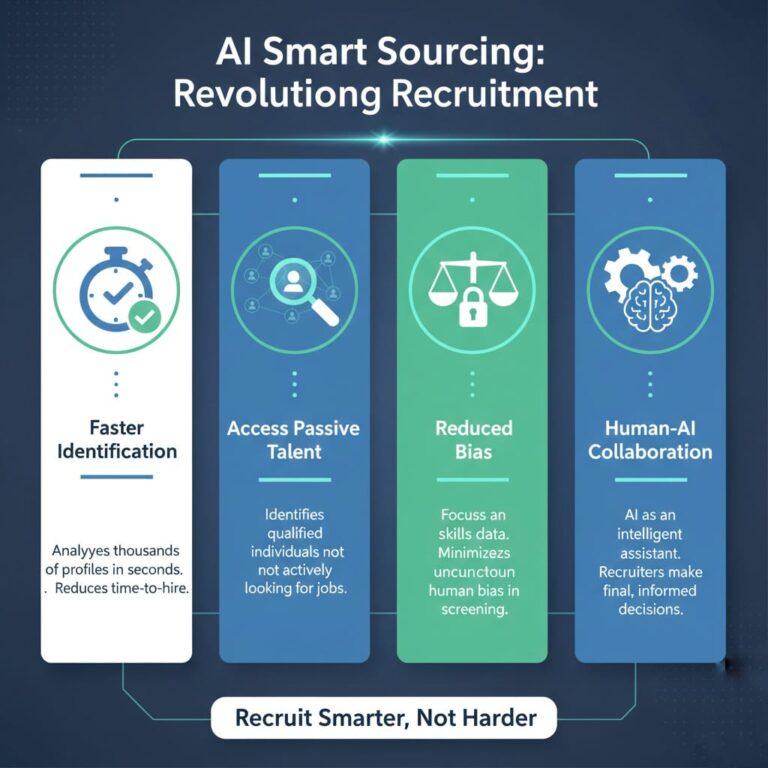
The recruitment industry has evolved significantly in recent years. Hiring cycles have become shorter, candidate expectations have increased, and competition among recruitment agencies has intensified. Recruiters today are expected to manage a high volume of candidates, clients, and job requirements while maintaining speed and accuracy. In this environment, manual processes often create delays that reduce placement opportunities.
This is where recruitment CRM software plays an essential role. A modern recruitment automation CRM helps recruiters manage leads efficiently, maintain consistent communication, and move candidates through the hiring pipeline without unnecessary delays.
This article explains exactly how recruitment CRM automation helps convert leads into successful placements faster. Let’s get started!

The Challenge of Managing Recruitment Leads Manually
Recruitment Automation CRM solutions from entities like recruitChamp have truly changed the hiring landscape for the better. This is because automation enables recruiters to focus on relationship building and decision-making instead of repetitive administrative tasks.
But before the modern automation technology systems took over, recruitment agencies and internal hiring teams dealt with multiple types of leads manually.
Leads from candidate applications, passive talent sourced through campaigns, client hiring requirements, and referrals were managed manually and often resulted in unclear communication and missed opportunities.
When communication slows down, candidates lose interest or accept competing offers. Similarly, clients expect faster turnaround times and consistent updates. Manual processes make it difficult to maintain this level of responsiveness at scale.
Common challenges faced by recruiters without automation include:
- Delayed responses to candidate inquiries
- Lost or forgotten follow-ups
- Inconsistent communication across recruiters
- Difficulty tracking candidate status
- Limited visibility into pipeline performance
- Manual data entry consumes productive time
Understanding Recruitment CRM Automation
Recruitment CRM software is designed to make hiring efficient and effortless. By centralizing candidate and client information and automating repetitive workflows, it ensures that every lead receives timely attention throughout the recruitment journey.
Unlike traditional CRMs focused on sales, a recruitment automation CRM manages candidate relationships, job requirements, and hiring stages in one system. AI-powered solutions like RecruitChamp automate lead capture from multiple sources, track candidate movement across stages, send follow-up reminders, assist with interview scheduling, and provide status updates for both candidates and clients.
The goal isn’t to replace recruiters, but to remove repetitive tasks that slow decision-making. This gives recruiters more time to evaluate candidates, build relationships, and close placements efficiently.
How Recruitment CRM Automation Accelerates Lead-to-Placement Conversion
Recruitment CRM automation improves placement outcomes by removing delays that occur across the hiring lifecycle. From the moment a lead enters the system to the final placement decision, automation ensures that communication, follow-ups, and workflow progression happen at the right time. Instead of relying on manual coordination, recruiters can move candidates through each stage with greater speed and consistency.
The following sections explain how recruitment CRM software uses automation at different stages of the recruitment process to reduce drop-offs, improve engagement, and convert leads into successful placements faster.
1. Faster Lead Capture and Centralized Data Management
Recruitment teams receive leads from job portals, career pages, referrals, email campaigns, and social platforms. Without automation, recruiters must manually collect and organize this information, which increases the risk of delays or data loss.
To alleviate this pain point, recruitment CRM software automatically captures and stores lead data in a centralized database. Candidate profiles, communication history, resumes, and job preferences are stored in one place.
This centralization of data allows recruiters to instantly access candidate information when needed, match candidates with open roles faster, avoid duplicate communication, and maintain consistent records across teams.
Centralized data eliminates the need to switch between multiple tools or spreadsheets.
2. Automated Lead Nurturing for Recruiters
Not every candidate is ready for immediate placement. Some candidates may not be actively looking for a job, while others may require future opportunities that match their experience. Without structured communication, these leads often become inactive.
Recruitment automation CRM systems enable automated nurturing workflows. Recruiters can create communication sequences in the form of job alerts or interview preparation messages that keep candidates engaged over time, or as long as they are ready for recruitment.
This not only helps the candidates, but also the recruiters to maintain long-term engagement with passive candidates, build trust before active hiring begins, reduce sourcing time for future roles, and improve overall placement conversion rates.
By maintaining consistent communication without manual effort, recruiters ensure that qualified candidates remain engaged and responsive when opportunities arise.
3. Benefitting from Automated Follow-Ups
One of the most common reasons for lost placements is missed follow-ups. Recruiters managing multiple roles may unintentionally delay responses, causing candidates or clients to disengage.
Automated follow-ups ensure that communication continues without interruption and that no lead is forgotten.
Recruitment CRM software can trigger reminders or messages based on candidate activity or hiring stage. For example, follow-ups can be sent after interview completion, document submission, or client feedback.
So, the benefits of automated follow-ups include:
- Faster candidate responses
- Reduced drop-off between stages
- Improved candidate experience
- Consistent communication across the hiring process
4. Workflow Automation Improves Hiring Efficiency
Recruitment involves repetitive steps such as screening, scheduling interviews, sharing feedback, and updating candidate status. Handling these manually can create delays throughout the hiring pipeline.
Automation-enabled CRM platforms let teams define workflows that move candidates through stages automatically. For example, interview invitations, status updates, and notifications to hiring managers can be triggered once predefined conditions are met.
By standardizing processes and reducing administrative work, workflow automation helps recruiters maintain faster hiring cycles, minimize human errors, and focus more on evaluating candidate fit and closing placements.

Verdict: recruitChamp isn’t just keeping up — it’s leading the way.

5. Improved Visibility into Placement Conversion Rates
Understanding where leads drop off in the recruitment pipeline is critical for improving performance. Manual tracking makes it difficult to identify issues and inefficiencies in the process.
Recruitment CRM software provides analytics and reporting that show how leads progress through each stage. Recruiters and managers can analyze placement conversion rates, response times, and stage completion metrics.
This enables teams to identify the slower stages in the process and continuously refine their approach to increase successful placements.
6. Better Collaboration between Recruiters and Clients
Successful placements depend on strong coordination between recruiters and hiring clients. Delayed feedback or miscommunication often extends hiring timelines.
Recruitment CRM automation improves collaboration by maintaining transparent communication records. Recruiters can track client feedback, share candidate updates, and maintain clear timelines within the system.
Automation can also trigger notifications when client action is required, reducing delays caused by missed emails or manual reminders. Faster communication leads to quicker decision-making and improved placement speed.
7. Enhancing Candidate Experience through Automation
Candidate experience plays a significant role in successful placements. Candidates expect timely communication, clear updates, and structured hiring processes. Poor communication often leads to candidate withdrawal or negative employer perception.
Recruitment automation CRM systems help maintain consistent engagement without overwhelming recruiters. Automated updates inform candidates about application status, interview schedules, and next steps.
This results in:
- Higher candidate satisfaction
- Increased response rates
- Reduced uncertainty during hiring
- Stronger employer branding
When candidates feel informed and valued, they are more likely to remain engaged until placement completion
8. Reducing Time to Placement With Smart Automation
The ultimate goal of recruitment automation is to reduce the time required to convert leads into placements. Automation achieves this by removing delays at every stage of the recruitment lifecycle.
From lead capture to follow-ups and workflow management, recruitment CRM software ensures that each action happens at the right time. Recruiters no longer need to rely on manual reminders or basic software to identify delays in the process.
A powerful, efficient solution from providers like recruitChamp can help recruiters to shortlist candidates faster and shorten the hiring cycles significantly. Achieving higher placement success rates is easier than ever with modern automation technology.
| Action | Manual Process (Slow) | Automated CRM (Fast) |
|---|---|---|
| Applying | 1–2 days to review | Instant, automated check |
| Outreach | 3–5 days to reply | Immediate response |
| Scheduling | 4–7 days (phone tag) | Minutes (automatic booking) |
| Database Search | Hours of searching | Seconds (instant matching) |
Conclusion
Recruitment success depends on speed, consistency, and relationship management. Manual processes make it difficult for recruiters to maintain efficiency while handling growing hiring demands. Recruitment CRM software addresses this challenge by introducing automation that supports every stage of the hiring process.
A recruitment automation CRM enables faster lead capture, structured nurturing, automated follow-ups, and improved workflow management. These capabilities help recruitment teams reduce delays, improve communication, and convert leads into placements more efficiently.
Solutions from recruitChamp demonstrate how recruitment CRM automation can help teams build scalable hiring processes that improve placement conversion rates while maintaining strong candidate relationships.